A Whole Llama Learning Happening: Embroidery Review
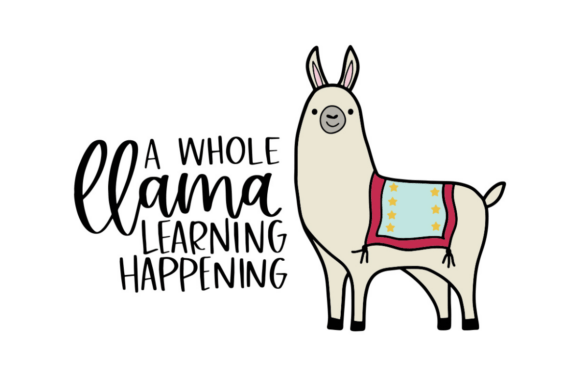
As an embroidery digitizer and product reviewer, I approach every new machine embroidery design with a critical eye. It is not enough for a graphic to look charming on a screen; it must translate into clean stitches, structural integrity, and commercial viability. When evaluating A Whole Llama Learning Happening, my primary focus is how this playful, hand-drawn aesthetic performs when needle meets fabric. This design features a charming llama with a colorful saddle and festive star accents, positioning it firmly within the education and nursery niches. However, its true value lies in its versatility as a digital embroidery file for makers who need reliable results across various substrates.
First Impressions and Visual Personality
The immediate appeal of A Whole Llama Learning Happening is its balanced composition. In the world of Crafts and Graphics, llama motifs can sometimes feel cluttered or overly cartoonish. This design, however, maintains a clean silhouette that suggests thoughtful digitizing. The hand-drawn style implies a mix of stitch types, likely combining running stitch outlines for that sketchy feel with fill stitch areas for the saddle and body. For a designer, this texture variation is crucial. It prevents the design from looking like a flat sticker and gives the finished product a tactile, handmade quality that customers associate with higher value.
The inclusion of star accents serves a dual purpose. Visually, they reinforce the "learning" and "magic" theme. Technically, they act as registration anchors. When hooping fabric, especially for baby embroidery or stretchy knits, these smaller elements help verify alignment before committing to the main motif. The mood is undeniably cheerful yet structured enough to avoid looking messy after washing, which is a common pitfall in novelty embroidery.
Real-World Application: The Back-to-School Tote Bag
To truly judge this embroidery project, I mentally placed it on a canvas tote bag intended for a teacher appreciation gift or a student’s book carrier. This is a high-stress application. Canvas has a distinct fabric texture that can swallow fine details, and tote bags endure significant wear.
In this scenario, A Whole Llama Learning Happening shines because of its scale. The llama’s proportions allow for a 4x4 or 5x7 hoop size without losing definition. If this were an applique design, the saddle area would be the perfect candidate for a contrasting cotton print, reducing overall stitch density and keeping the bag lightweight. Even as a full-fill design, the separation between the llama and the stars allows the canvas to breathe. For an Etsy seller creating back-to-school merchandise, this design offers immediate recognition. It communicates "education" without relying on text, making it universally appealing regardless of language or grade level. The visual clarity ensures that even from a distance in a market stall or thumbnail image, the subject matter is instantly readable.
Navigating Fabric Challenges and Technical Limits
While the design is versatile, professional judgment requires acknowledging where caution is necessary. Not every embroidery file suits every surface, and A Whole Llama Learning Happening is no exception.
- Stretchy Fabrics: If applying this to a toddler’s t-shirt or a ribbed knit sweatshirt, the stabilizer choice is non-negotiable. The combination of a dense saddle and delicate star points creates varying tension zones. Without adequate cut-away stabilizer, the fabric may pucker around the stars or distort the llama’s legs during stitching.
- Textured Surfaces: On terry cloth towels or fleece blankets, the running stitch details may get lost. I recommend testing on scrap fabric first. You may need to add a topping or slightly increase the underlay to push down the pile so the design remains crisp.
- Curved Items: While adorable on caps, the vertical orientation of a standing llama can be tricky on curved brims. Ensure your hoop size accommodates the height without forcing the design into the cap’s seam allowance. Flat brim caps or bucket hats are safer bets than structured baseball caps.
- Small Scaling: Be wary of resizing this design too small. If the stars or saddle details drop below a certain threshold, the satin stitch elements may become thread-burying knots. Always check the minimum recommended size in the file metadata before attempting to shrink it for a baby onesie pocket.
Commercial Viability for Makers and Sellers
For those running a craft business or selling on platforms like Etsy, A Whole Llama Learning Happening represents a strong asset. Its gender-neutral color palette and educational theme broaden its market reach beyond typical gendered nursery decor. This increases the potential ROI for your design assets.
When creating printable mockups or listing photos, the design’s clear lines photograph well. It does not rely on subtle gradients that might disappear in digital previews. For commercial embroidery businesses fulfilling bulk orders for schools or libraries, the design’s moderate density means faster run times compared to hyper-realistic animal portraits. This efficiency directly impacts profit margins. Furthermore, the "hand-drawn" aesthetic aligns perfectly with current trends favoring organic, imperfect art over sterile vector graphics, enhancing buyer engagement and trust in your handmade product.
Essential Pre-Stitch Checklist for Professionals
Before loading this digital embroidery file into your machine for a client order or inventory build, run through this practical verification list. These steps separate hobbyists from professionals and prevent costly material waste.
- Verify Licensing: Confirm whether your purchase includes commercial rights for finished products versus digital redistribution. Never assume; always check the specific license terms provided with A Whole Llama Learning Happening.
- Test Stitch-Out: Always run a test on the actual fabric you intend to use. A design that looks perfect on quilting cotton may fail on minky or denim. Check for registration errors between the llama and the accent stars.
- Thread Color Contrast: Review the color chart against your chosen fabric. If stitching white stars on cream fabric, ensure there is enough contrast for visibility. Consider using a variegated thread for the saddle to enhance the hand-drawn vibe without adding complexity.
- Stabilizer Match: Select stabilizer based on fabric weight and drape, not just design size. Heavy designs on light fabrics require different support than light designs on heavy fabrics.
- Mockup Validation: Create a black-and-white version of your mockup to test value contrast. If the design disappears in grayscale, it may lack sufficient definition for quick scrolling shoppers.
- Wash Test: If selling custom apparel or baby items, wash and dry your test swatch. Inspect for loose threads, puckering, or shrinkage issues before listing the item as durable.
Final Design Verdict
A Whole Llama Learning Happening earns its place in a professional embroiderer’s library by balancing whimsy with technical soundness. It avoids the common traps of novelty designs by maintaining structural clarity and appropriate detail levels. Whether you are stitching a personalized gift for a teacher, building a line of holiday embroidery for your shop, or creating small shop product listings, this design delivers consistent, sellable results. By respecting the technical requirements of stabilization and fabric compatibility, makers can transform this charming graphic into profitable, high-quality embroidered goods that resonate with customers seeking joyful, educational aesthetics.