Open Book Minimal Line Art: An Embroidery Review
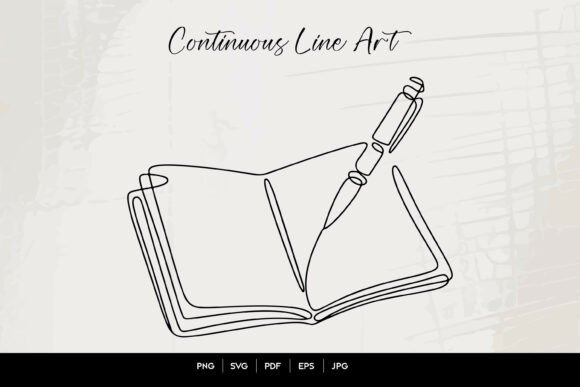
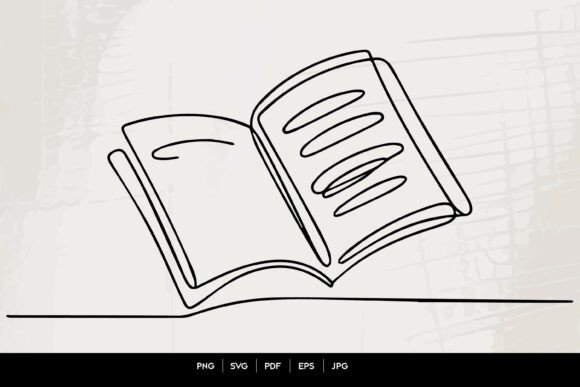
As a professional embroidery designer and product reviewer, I approach every new graphic with a specific question: will this actually stitch out cleanly on fabric? When evaluating the Open Book Minimal Line Art for real-world application, my focus shifts immediately from digital aesthetics to structural integrity. In the world of Crafts and Graphics, minimalism is often mistaken for simplicity, but in machine embroidery, clean lines require precise digitizing. This design captures the essence of literature, education, and knowledge without unnecessary clutter, making it a strong candidate for makers who value sophistication over density.
First Impressions and Structural Integrity
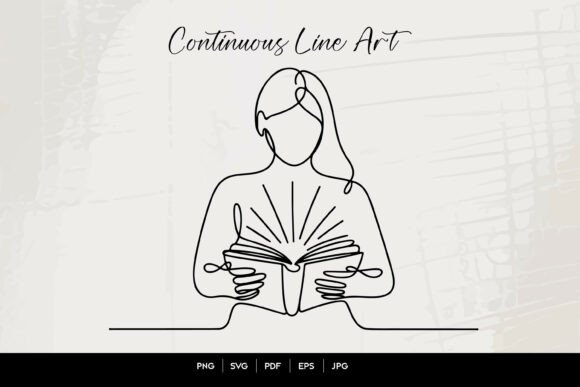
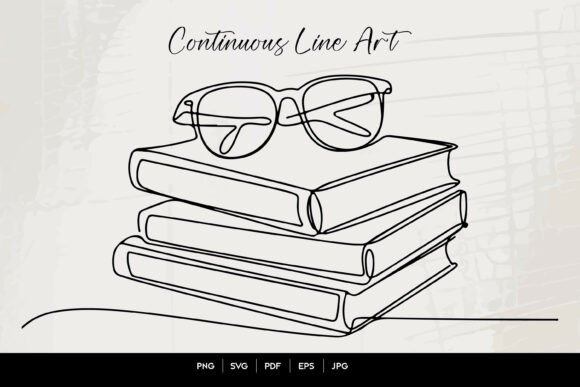
My initial assessment of the Open Book Minimal Line Art centers on its visual weight. The design relies on line work rather than heavy fill areas, which suggests a running stitch or a narrow satin stitch foundation. For an embroidery project, this is generally advantageous because it reduces puckering on lighter fabrics. The shape of the open book is balanced, providing a stable center point that helps with hooping alignment. Unlike complex scenic designs that can get lost in translation from screen to textile, this graphic maintains its identity through strong silhouettes. It evokes a mood of quiet study and academic warmth, making it feel appropriate for both personalized gifts and commercial branding.
The inclusion of multiple file formats—PNG, SVG, EPS, PDF, and JPG—is standard for digital assets, but for us embroiderers, the vector-based formats (SVG and EPS) are the most critical. These allow for resizing without losing edge definition before importing into embroidery software. If you are creating custom apparel or patches, having scalable vectors ensures the curves of the book pages remain smooth whether you are stitching a 2-inch logo on a baby onesie or a 6-inch motif on a tote bag.
Real-World Application: The Library Tote Bag Test
To truly judge this design, I mentally placed it in a recent client scenario: creating merchandise for a local independent bookstore. They needed a reusable tote bag design that felt literary but modern. The Open Book Minimal Line Art was the perfect contender for this sweatshirt embroidery and canvas bag project. Canvas is a textured fabric, and fine details often disappear into the weave. However, because this design utilizes bold, confident lines rather than microscopic shading, it holds up beautifully against the texture of natural cotton canvas.
For this specific handmade product, I envisioned using a deep navy thread on unbleached canvas. The contrast is essential; minimal line art dies without high contrast. The design stitched out as a single-color motif, which significantly reduced production time and thread changes—a massive plus for small shop products where margins matter. The resulting finished product looked intentional and boutique-ready, avoiding the homemade look that sometimes plagues amateur embroidery. Customers responded well to the understated aesthetic, associating it with quality rather than novelty. This validates the design’s potential for Etsy sellers and craft business owners looking for versatile, high-perceived-value graphics.
Navigating Fabric Limitations and Stabilizer Choices
While the Open Book Minimal Line Art is versatile, it demands respect for fabric physics. Line art is unforgiving on stretchy materials. If you plan to use this for baby embroidery on knit fabrics or performance wear, you must prioritize stabilization. A cut-away stabilizer is non-negotiable here to prevent the running stitches from tunneling or distorting the book's symmetry during washing. I would advise against using this design on highly textured terry cloth or plush fabrics unless you add a topping; the delicate lines representing pages could easily sink into the pile, rendering the reading theme illegible.
Furthermore, consider the hoop size relative to the design dimensions. Minimalist designs often have large negative spaces. If your hoop is too large for the design area, you risk excessive fabric shift. Conversely, if you resize the design down for a cap or sleeve cuff, verify that the line thickness remains above the minimum stitch width for your machine. Lines thinner than 1mm can cause needle breaks or thread shredding. Always check the stitch density after resizing. While the provided files are excellent starting points, they may need parameter adjustments depending on whether you are doing commercial embroidery on heavy denim or delicate linen.
Commercial Viability and Brand Consistency
For creative entrepreneurs and digital product sellers, consistency is currency. This design serves as an excellent anchor for a collection. Because it avoids trendy embellishments, it pairs seamlessly with serif typography for university merchandise or handwritten scripts for wedding library corners. As a digital embroidery file asset, it offers flexibility. You can isolate the book element for a patch or combine it with other educational icons for a larger back-piece on a jacket.
However, a note of caution regarding licensing and usage: always confirm the specific terms attached to your purchase. While the file types suggest broad utility, ensuring you have the rights for commercial embroidery or resale of modified digital assets is vital for protecting your business. From a marketing perspective, this design photographs exceptionally well. The clean lines translate perfectly into printable mockups for your online listings. Buyers can instantly understand what the embroidered patch or custom apparel will look like, reducing hesitation and increasing trust in your handmade presentation.
Essential Designer Notes for Success
Before committing the Open Book Minimal Line Art to a final product, adhere to these practical checkpoints to ensure professional results:
- Test Stitch on Scrap: Never skip this step. Run the design on a scrap piece of the exact fabric and stabilizer combination you intend to use. Check specifically for registration issues at the corners of the book pages.
- Evaluate Thread Contrast: Minimal line art requires distinct visibility. Test black and white mockups, but also physical thread samples. Tone-on-tone embroidery often fails with this style unless the texture difference is significant.
- Check Small Details: If the design includes tiny text or page lines, measure them physically. Anything under 4mm height may need to be simplified or removed to prevent thread buildup and poor readability.
- Verify Hoop Compatibility: Ensure the design fits comfortably within your machine’s maximum stitch area with adequate margin for the hoop frame. Tight hooping distorts minimalist geometry.
- Assess Washability: For items like kitchen towels or baby clothes that face frequent laundering, consider adding a light border or background element to anchor the floating lines, preventing them from pulling away from the fabric over time.
- Review Licensing: Confirm whether the license covers selling finished physical products versus selling the digital embroidery file itself. These are often separate permissions.
Final Verdict for Makers
The Open Book Minimal Line Art stands out as a reliable, sophisticated asset for the serious embroiderer. It bridges the gap between digital graphic design and tactile textile art effectively. Its strength lies in its restraint; it communicates themes of learning, research, and storytelling without overwhelming the substrate. Whether you are an Etsy seller expanding your inventory, a hobbyist making a thoughtful holiday gift, or a boutique owner branding your space, this design offers a solid foundation. By respecting the technical requirements of line art embroidery and choosing the right fabric pairings, you can transform these digital files into tangible, high-quality goods that resonate with readers and makers alike. Just remember: in minimalism, every stitch is visible, so precision and preparation are your best tools.